
- Details
- Written by: Matt Spencer
Important Gmail Change: "Check Mail from Other Accounts" Ending in January 2026
If you use Gmail to check email from other accounts—like a business email (
Google is removing a feature that lets you automatically pull emails from other email accounts into your Gmail inbox. If you're using this setup, emails from those accounts will stop arriving in Gmail unless you make changes immediately.
This affects users worldwide who've been using Gmail's "Check mail from other accounts" feature for years. The good news: you have several options. But you need to act quickly.
How to Tell If You're Affected
Here's a quick check to see if this change affects you:
1. Do you use Gmail to check email from other accounts?
This could be a business email (
2. Do you check those accounts through Gmail's web interface?
If yes, here's how to confirm:
- Log into Gmail on a computer (not the mobile app)
- Click the gear icon (⚙) in the top right
- Click "See all settings"
- Click the "Accounts and Import" tab
- Look for a section called "Check mail from other accounts"
If you see any email addresses listed there (especially if it says "POP3" next to them), you're affected by this change.
Note: This change only affects Gmail on the web (when using a browser). The Gmail mobile app can still access other email accounts using IMAP (see Option 1 below).
What Exactly Is Changing?
Gmail currently offers a feature where it automatically fetches (collects) emails from your other email accounts and puts them in your Gmail inbox. This happens through something called POP3—a technical system for downloading emails.
As of January 2026, Gmail no longer supports this feature on the web (when you use Gmail in your browser). That means:
- ❌ Gmail is ending support for automatically collecting emails from your other accounts on the web
- ❌ New emails from those accounts won't appear in your Gmail inbox on your computer
- ✅ Your existing emails won't disappear—they're safe
- ✅ Your personal Gmail (
This email address is being protected from spambots. You need JavaScript enabled to view it. ) works exactly as before - ✅ The Gmail mobile app can still access other email accounts (see below)
Important note about the Gmail mobile app: If you use the Gmail app on your phone or tablet (Android or iPhone), you can still add your other email accounts to it using something called IMAP. This is different from the web browser version of Gmail. However, this only works on mobile devices—not when you access Gmail through a web browser on your computer.
Google says this change is to provide "more secure and current options" for accessing email, but the practical effect is that many users who've relied on this method for years now need to find an alternative.
Your Four Options
You have four ways to handle this change, each with different pros and cons:
Option 1: Use the Gmail Mobile App (Free, Mobile Only)
You can continue using the Gmail app on your phone or tablet to check your other email accounts using IMAP.
How it works: Add your other email account to the Gmail app (Android or iPhone). It connects directly to your email using IMAP (a different system from POP3).
Advantages:
- Completely free
- Still uses the Gmail app you know
- Can check multiple accounts in one app
- Relatively simple to set up
Disadvantages:
- Only works on mobile devices (phone/tablet)
- Doesn't work in a web browser on your computer
- Replies come from the account you added (e.g., your business address)
- Need to check email on your phone instead of computer
Best for: People who primarily check email on their phone and don't mind not having computer access.
Option 2: Email Forwarding (Free, But Limited)
You can set up your other email account to automatically forward everything to your Gmail address. It's free and relatively simple.
How it works: Every email sent to your other account gets automatically redirected to your Gmail account.
Advantages:
- Completely free
- Everything still arrives in your Gmail inbox
- Works on both computer and mobile
- Relatively simple to set up
Disadvantages:
- Replies typically come from your Gmail address unless you configure Gmail's "Send mail as" feature with your provider's SMTP settings
- Forwarded emails are more likely to be marked as spam
- Your other email's reputation can suffer from forwarding spam
- You're still managing multiple email addresses
- Can affect email deliverability
Best for: Casual use where email appearance isn't critical, or as a temporary solution.
Option 3: Use an Email Program (Free, More Complex)
You can use a dedicated email program like Microsoft Outlook, Thunderbird, or Apple Mail to check all your email accounts in one place.
How it works: You install software on your computer that connects directly to your various email accounts.
Advantages:
- Free (for programs like Thunderbird)
- Check multiple accounts in one place
- Full control over your email
- Works offline
Disadvantages:
- Only works on the device where you install it
- More technical to set up
- Requires maintaining software on your computer
- Doesn't sync across devices easily
- No web access unless you separately log into webmail
Best for: People comfortable with technology who work primarily from one computer.
Option 4: Upgrade to Google Workspace (Paid, Professional)
Google Workspace (formerly called G Suite) is Google's professional business service. It gives you proper business email using Gmail's interface, plus a full suite of business tools.
How it works: Your business email runs on Google's systems using the same Gmail interface you already know and love.
Advantages:
- Keep using Gmail's interface—no learning curve
- Professional email address (
This email address is being protected from spambots. You need JavaScript enabled to view it. ) that actually works through Gmail - Access from any device—computer, phone, tablet
- Proper business tools: shared calendars, video meetings, file storage
- Better spam protection and security
- Looks more professional to clients and customers
- 24/7 support if things go wrong
- Gemini AI features (availability varies by plan and region)
Disadvantages:
- Costs £5.90/user/month (Business Starter plan)
- Requires setting up properly
Best for: Businesses that want to look professional, need reliable email, and would benefit from proper business tools.
Why Google Workspace Makes Sense for Small Businesses
While email forwarding is free, Google Workspace is worth considering if you run an actual business. Here's why:
1. You Already Know How to Use It
Google Workspace uses the exact same Gmail interface you're already familiar with. There's no learning curve—you'll feel at home immediately. The difference is that now your business email address (
2. Professional Credibility
When you email clients from
3. You Get Business Tools You'll Actually Use
Google Workspace isn't just email. You also get:
- Google Drive: Cloud storage for your business files (30GB with Starter, 2TB with Standard)
- Google Meet: Video conferencing with clients (up to 100 participants)
- Google Calendar: Shared calendars for team scheduling
- Google Docs, Sheets, Slides: Create and collaborate on documents
- Google Chat: Team messaging
- Gemini AI: AI assistant built into Gmail, Docs, and more
Even if you're a solo business owner, these tools are incredibly useful. Share documents with clients, schedule meetings, store files safely in the cloud—all integrated seamlessly.
4. Better Email Deliverability
When your email runs on Google's professional infrastructure rather than being forwarded around, it's much less likely to end up in spam folders. Your important emails actually reach clients.
5. Security and Reliability
Google Workspace includes advanced security features, two-factor authentication, and admin controls. If you handle customer data or confidential business information, this matters. Plus, you get 24/7 support if something goes wrong.
6. It's Genuinely Affordable
The Business Starter plan costs £5.90 per user per month (or £70.80/year if you pay annually). That's less than £2 per week for professional email and a full suite of business tools. If you're running a business, this is one of the cheapest investments you'll make.
To put it in perspective: that's cheaper than a decent business lunch, and you're using it every single day.
Google Workspace Pricing (UK)
Google Workspace offers three main plans for small businesses:
Business Starter - £5.90/user/month
- Professional email (
This email address is being protected from spambots. You need JavaScript enabled to view it. ) - 30GB cloud storage per user
- Video meetings up to 100 participants
- All core Google apps (Docs, Sheets, Slides, etc.)
- Security and management controls
- Standard support
Best for: Sole traders and very small businesses (1-5 people)
Business Standard - £11.80/user/month
- Everything in Starter, plus:
- 2TB cloud storage per user (that's 2,000GB)
- Video meetings up to 150 participants
- Recording for video meetings
- Shared drives for team collaboration
- Enhanced security features
Best for: Growing businesses with 5-20 people who need more storage and features
Business Plus - from £18/user/month
- Everything in Standard, plus:
- 5TB cloud storage per user
- Video meetings up to 500 participants
- Advanced security and compliance features
- Google Vault for data retention
- eDiscovery capabilities
Best for: Larger teams or businesses with compliance requirements
Prices shown are approximate for annual commitment plans and exclude VAT. Monthly flexible plans typically cost more. All plans include a 14-day free trial. Maximum 300 users per plan. Check Google's official pricing for current rates.
For most small businesses affected by the Gmail change, Business Starter (£5.90/month) provides everything needed. You get professional email, plenty of storage for documents, and all the collaboration tools.
How to Switch to Google Workspace
Switching is more straightforward than you might think. Here's the step-by-step process:
Step 1: Sign Up for Google Workspace
Go to the Google Workspace website and click "Get Started".
You'll need:
- Your business name
- The number of employees (just yourself if you're solo)
- Your business domain name (yourbusiness.com)
- A payment method
Referral bonus: If you use a referral link when signing up, you'll get 10% off your first year. That's a saving of £7.08 on the Business Starter plan—worth having.
Google will walk you through verifying you own your domain name. This usually involves adding a special code to your domain's DNS settings, and Google provides clear instructions for most popular domain registrars (GoDaddy, 123-reg, Namecheap, etc.).
Step 2: Create Your Email Accounts
Once your domain is verified, you'll create email accounts for anyone who needs one:
This email address is being protected from spambots. You need JavaScript enabled to view it. This email address is being protected from spambots. You need JavaScript enabled to view it. This email address is being protected from spambots. You need JavaScript enabled to view it.
This is done through the Google Admin console, which sounds intimidating but is actually quite simple—just fill in names and choose email addresses.
Step 3: Update Your Domain's Email Settings (MX Records)
This is the technical bit, but Google provides step-by-step instructions specific to your domain registrar.
You need to update your domain's MX records (mail exchange records) to point to Google's servers. This tells the internet to send emails for yourbusiness.com to Google Workspace instead of wherever they were going before.
Don't worry—this sounds complicated but:
- Google gives you the exact values to enter
- Most domain registrars have help articles for this
- Your web hosting provider can usually help
- Many people complete this in 10-15 minutes
Changes can take a few hours to take effect across the internet, but often work much faster.
Step 4: Migrate Your Existing Emails (Optional)
If you want to bring your existing emails into Google Workspace, you have options:
Option A: Automatic migration tool
Google Workspace includes a data migration service that can transfer emails from many email providers. This is the easiest method if your current email provider is supported.
Option B: Manual export/import
You can export your emails from your current system and import them into Google Workspace. This works but is more time-consuming.
Option C: Keep old emails in Gmail
If your emails are currently in a Gmail account (pulled in via POP3), they're already safe there. You can simply keep accessing that Gmail account for old emails while using your new Google Workspace account for everything going forward.
Many small businesses choose Option C—it's the simplest approach.
Step 5: Set Up Email on Your Devices
Once everything's running, set up your new Google Workspace email on your devices:
On computer: Just go to gmail.com and log in with your new Google Workspace email address
On mobile: Add your Google Workspace account to your Gmail app (or Mail app on iPhone). It works just like adding any Google account.
Step 6: Update Your Email Signature and Contacts
Remember to:
- Create a professional email signature in your new account
- Let your regular contacts know about your new email address
- Update your email address on your website, social media, and business cards
Common Questions About Switching
Will I lose my existing emails?
No. Emails that are currently in your Gmail inbox stay there. They don't disappear when you set up Google Workspace.
If you want those emails in your new Google Workspace account, you can migrate them (see Step 4 above). But you can also just keep them in your personal Gmail and access them separately.
Can I keep my personal Gmail account too?
Yes, absolutely. Your personal Gmail (
What if I have multiple people in my business?
Perfect—Google Workspace is designed for this. Each person gets their own email address and you only pay for the accounts you create. If you have 3 people, you pay for 3 accounts (£17.70/month on Business Starter).
Can I use my existing domain name?
Yes, that's the whole point. Google Workspace works with your existing domain (yourbusiness.com). You don't need to buy a new one.
What happens to my website?
Nothing. Your website stays exactly where it is. Changing your email to Google Workspace doesn't affect your website at all—they're separate things.
Is there a contract?
No long-term contract required. You can pay monthly (£5.90/month) or save a bit by paying annually. You can cancel anytime.
What if I get stuck during setup?
Google Workspace includes support, and there are thousands of help articles. Most domain registrars and web hosting companies will also help with the technical bits (like updating MX records) if you ask.
Alternatively, any IT-savvy friend or local tech person can usually get this sorted in an hour or two.
Can I try it before committing?
Yes—Google Workspace includes a 14-day free trial. You can set everything up, test it thoroughly, and only start paying if you decide to keep it.
The Forwarding Alternative: How It Works
If you've decided Google Workspace isn't for you and want to use email forwarding instead, here's how to set it up:
Setting Up Email Forwarding
This is done through your email hosting provider (usually your web hosting company or domain registrar).
Steps:
- Log into your email hosting control panel (cPanel, Plesk, or your provider's dashboard)
- Find "Email Forwarding" or "Forwarders" section
- Create a new forwarder:
- From:
This email address is being protected from spambots. You need JavaScript enabled to view it. - To:
This email address is being protected from spambots. You need JavaScript enabled to view it.
- From:
- Save the forwarder
- Test by sending an email to
This email address is being protected from spambots. You need JavaScript enabled to view it.
Your emails should now arrive in your Gmail inbox via forwarding instead of POP3.
Important Limitations to Understand
Sending emails: When you reply to emails, they'll come from
Spam issues: Forwarded emails are more likely to be marked as spam because the email didn't originate from your Gmail address—it's been redirected. Some legitimate business emails might end up in your spam folder.
Deliverability problems: If lots of spam gets forwarded through your business domain, it can hurt your domain's reputation, making it harder for your legitimate emails to reach recipients.
Email forwarding works, but it's a workaround rather than a proper solution.
Timeline: When You Need to Act
January 2026: Gmail is removing POP3 email fetching from the web interface during this month.
Action required: You need to make changes soon to avoid missing emails from your other accounts.
Recommendation: Don't panic, but don't delay either. Set aside a few hours this week to implement one of the solutions above. The sooner you act, the less likely you are to miss important emails.
Which Option Is Right for Your Business?
Here's a quick decision guide:
Choose the Gmail Mobile App If:
- You primarily check email on your phone anyway
- You don't need to access email on a computer
- Budget is extremely tight
- You're comfortable with mobile-only email access
- You want to keep using Gmail's interface
Choose Email Forwarding If:
- You're a hobby business or very casual operation
- Professional appearance doesn't matter much
- You're comfortable with technical workarounds
- Budget is extremely tight
- You only receive a handful of emails per week
- You need both computer and mobile access
Choose an Email Program (Outlook, Thunderbird) If:
- You work primarily from one computer
- You're comfortable with technology
- You want full control over your email
- You don't need web access or mobile sync
- You already use email programs
Choose Google Workspace If:
- You run an actual business with customers or clients
- Professional credibility matters
- You want the simplicity of Gmail with business features
- You work across multiple devices (computer, phone, tablet)
- You'd benefit from business tools (calendar, Drive, Meet)
- You value reliability and support
- £5.90/month is a reasonable business expense
For most UK small businesses reading this, Google Workspace makes the most sense. The cost is minimal compared to the benefits, and you avoid all the compromises and complications of forwarding or email programs.
Getting Started with Google Workspace
If you've decided Google Workspace is the right choice, here's how to begin:
- Visit the Google Workspace sign-up page - using a referral link gets you 10% off your first year
- Choose Business Starter (£5.90/month) unless you know you need more storage or features
- Start the 14-day free trial - test everything before you pay
- Follow Google's setup wizard - it walks you through domain verification and account creation
- Ask for help if needed - your web hosting provider or a tech-savvy friend can assist with the DNS settings
Most small businesses have everything running smoothly within a day or two of starting the process.
Final Thoughts
Gmail is removing its POP3 "Check mail from other accounts" feature starting in January 2026, affecting anyone who uses this method to pull emails from other providers into Gmail. If you're one of them, you need to act soon to avoid missing emails.
Email forwarding is free and works, but it's a compromise. Google Workspace costs money but gives you a proper, professional email system with the Gmail interface you already know, plus a suite of tools that will genuinely help you run your business better.
For £5.90 per month—less than a sandwich and coffee—you get professional email, 30GB of storage, video meetings, and all of Google's business apps. For businesses using custom domain email, it's one of the best value investments you can make.
Key actions to take this week:
- Check if you're affected (Settings → Accounts → Check mail from other accounts)
- Decide which option suits your needs (Gmail app, forwarding, email program, or Google Workspace)
- Make the change soon—ideally within the next few days
- Test your new setup immediately to ensure you're receiving emails
Gmail is making this change in January 2026. Set aside a few hours this week, make the switch, and ensure your email continues flowing without interruption.
Ready to upgrade to Google Workspace? Get started with a 14-day free trial and 10% off your first year.
- Details
- Written by: Matt Spencer
Octopus Intelligent Go Changes: 6-Hour Limit Coming January 2026

Octopus Energy has announced significant changes to its popular Intelligent Octopus Go tariff, with a 6-hour charging limit being automatically enforced from late January 2026. If you're one of the 150,000 customers on this tariff, here's everything you need to know about what's changing and whether it will affect you.
What's Changing?
From the end of January 2026, Octopus Energy will automatically enforce a 6-hour limit on super-cheap smart charging within any 24-hour period. This affects the Intelligent Octopus Go tariff, which currently offers 7p/kWh charging rates.
- Details
- Written by: Matt Spencer
Lightyear vs Trading 212: Which Zero-Fee Platform for Your Portfolio?

Both Lightyear and Trading 212 offer commission-free stock and ETF trading with no platform fees - a significant improvement over traditional brokers charging £12+ per trade. But despite their surface similarities, these platforms serve slightly different needs.
This comparison examines the key differences to help you choose the right platform for your investment style.
- Details
- Written by: Matt Spencer
Should You Take Your 25% Pension Tax-Free Cash? A Practical Guide

From age 55 (rising to 57 in April 2028), you can usually take up to 25% of your pension as tax-free cash - a sum potentially worth tens or even hundreds of thousands of pounds. It's one of the most valuable tax breaks available, but it's also one of the most misunderstood.
The question isn't whether you can take it - you almost certainly can. The question is whether you should, and if so, what to do with the money. This article cuts through the complexity with practical guidance based on current rules.
- Details
- Written by: Matt Spencer
Making Tax Digital 2026: Final Countdown for Self-Employed
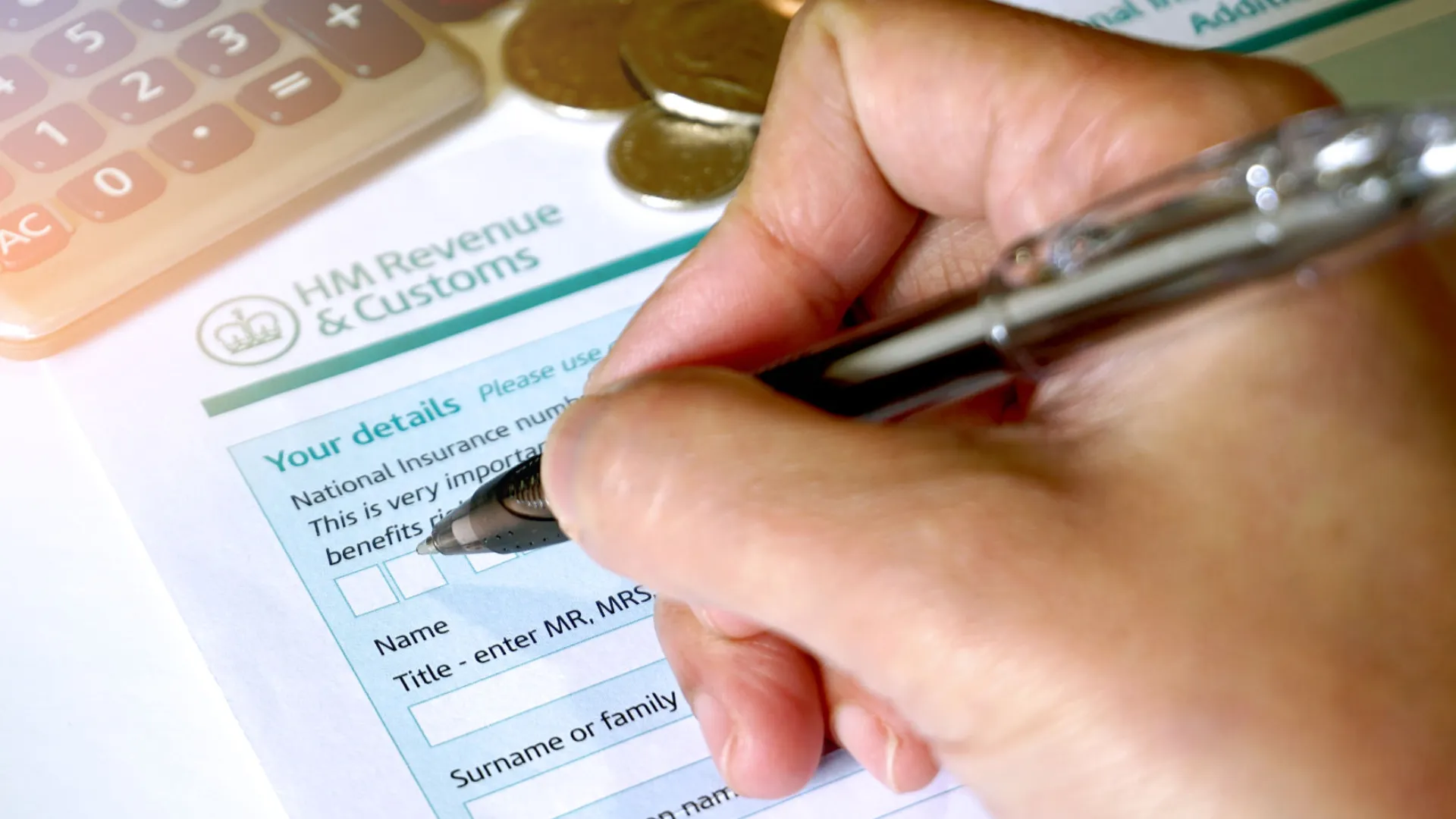
On 6 April 2026 - just five months away - approximately 780,000 self-employed individuals and landlords across the UK will be required to fundamentally change how they report their income to HMRC. This represents the most significant transformation to Self Assessment since its introduction in 1997.
Making Tax Digital for Income Tax (MTD for ITSA) will replace the current annual Self Assessment system with quarterly digital reporting for those meeting income thresholds. The change is mandatory, penalties apply for non-compliance, and preparation time is running short.
This article explains who must comply, what you need to do, which software meets requirements, and how to prepare before the deadline.
- Details
- Written by: Matt Spencer
EV Depreciation 2025: Which Electric Cars Hold Their Value Best?

Depreciation is the single largest cost of car ownership, typically exceeding fuel, insurance, and maintenance combined. For electric vehicles, the depreciation question has become even more critical as potential buyers weigh the higher purchase prices against lower running costs.
The narrative around EV depreciation has shifted dramatically. Early electric vehicles suffered catastrophic value losses - the Peugeot iOn and Citroën C-Zero lost over 70% of their value in three years. Today's market tells a more nuanced story, with some EVs holding value remarkably well while others continue to depreciate rapidly.
This article examines current UK depreciation data, identifies which electric vehicles retain value best, explains the factors driving these differences, and analyses whether lower running costs genuinely offset higher depreciation rates.
- Details
- Written by: Matt Spencer
UK Cost of Living 2025: Which Services Actually Save You Money?

The cost of living crisis may have eased from its 2022-2023 peak, but UK households are still paying significantly more for energy, food, and services than we were three years ago. With typical energy bills still 44% higher than pre-crisis levels and inflation stubbornly refusing to return to the Bank of England's 2% target, every pound saved matters.
The internet is full of "money-saving tips" that sound great in theory but deliver minimal real-world benefit. Switch your energy supplier and save £50 a year! Use cashback sites and earn pennies! Get a budgeting app and magically spend less!
- Details
- Written by: Matt Spencer
EV Charging Apps 2025: Multi-Network Roaming vs Single-Network Access in the UK

If you've recently switched to an electric vehicle, you've probably discovered the frustrating reality of UK public charging: dozens of different networks, each demanding their own app, account, and payment method. Your phone becomes cluttered with charging apps, and you're never quite sure which one works at the charger you've just pulled up to.
The industry has responded with two different approaches: multi-network roaming apps that give you access to hundreds of operators through a single login, and streamlined single-network apps that offer reliability and often better pricing on their own infrastructure.
After 8,000+ miles driving my Renault 5 E-Tech across the UK, I've tested most of the major charging apps available in 2025. Here's what actually works, what doesn't, and which approach suits different driving patterns.
- Floating Offshore Wind: How the Celtic Sea Project is Revolutionizing UK Energy Independence
- UK Renewables Reach Record 50.4% Share: What This Means for Your Energy Bills and the 2030 Targets
- Renault 5 E-Tech 8,000 Mile Review: Why I Left Tesla Behind for Europe's Car of the Year
- Building a Recession-Resistant Portfolio: How UK Investors Are Using ETFs to Protect Their Wealth

About Matt
Hi, I'm Matt. As an independent IT consultant and technical writer, I've spent my career making complex information easy to understand. I'm also an early EV adopter, driven by a deep concern for the planet's future.
I created this website to find and share great offers from companies that are not only financially smart but also environmentally responsible. My aim is to help people make choices that benefit both their finances and the world around them.
The key thing you should know is that I only promote services for which I am a real-world customer. This ensures that every recommendation is based on my own experience and a genuine belief in the company's value and mission.