News
The Latest Information on Energy & Money Matters

EV Depreciation 2025: Which Electric Cars Hold Their Value Best?
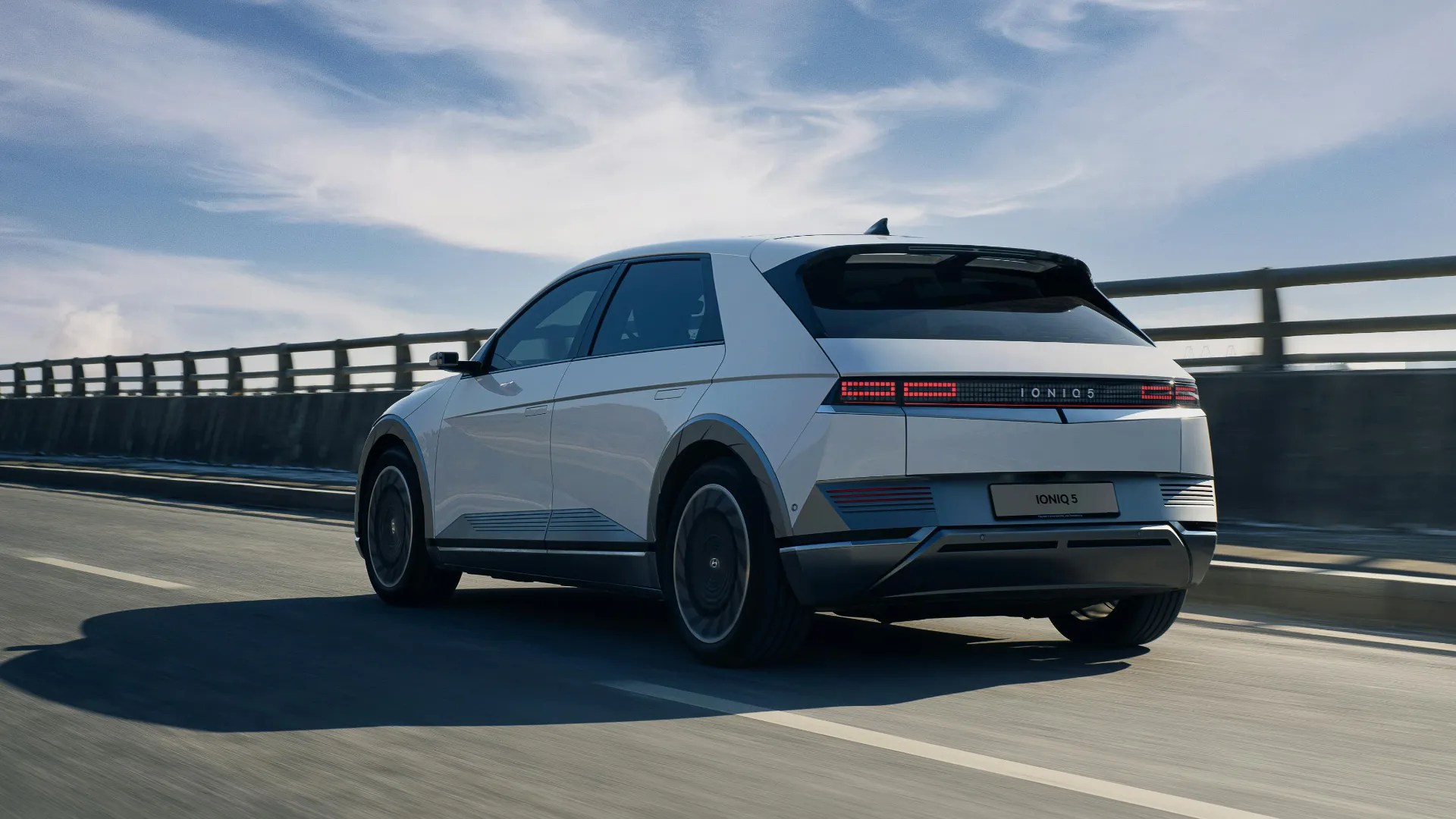
EV Depreciation 2026

Depreciation is the single largest cost of car ownership, typically exceeding fuel, insurance, and maintenance combined. For electric vehicles, the depreciation question has become even more critical as potential buyers weigh the higher purchase prices against lower running costs.

The narrative around EV depreciation has shifted dramatically. Early electric vehicles suffered catastrophic value losses - the Peugeot iOn and Citroën C-Zero lost over 70% of their value in three years. Today's market tells a more nuanced story, with some EVs holding value remarkably well while others continue to depreciate rapidly.

This article examines current UK depreciation data, identifies which electric vehicles retain value best, explains the factors driving these differences, and analyses whether lower running costs genuinely offset higher depreciation rates.

The Current State of EV Depreciation in the UK

According to industry data analysed across multiple sources in 2025, the average EV retains approximately 39-48% of its original value after three years or 36,000 miles. This compares to 52-56% for petrol, diesel, and hybrid vehicles over the same period.

However, these averages mask enormous variation between models. Premium EVs like the Porsche Taycan can retain up to 77% of their value after three years, while budget models like the Vauxhall Corsa Electric retain just 29%.

The UK EV market shows stronger residual values than many European counterparts. In Germany, three-year-old EVs typically retain just 37-48% of original value, with annual depreciation rates exceeding 20% in many cases.

Best Performers: EVs That Hold Value

Based on 2025 UK market data, these electric vehicles demonstrate the strongest residual values after three years and 36,000 miles:

Premium Segment

Porsche Taycan: Retains 63-77% of value depending on specification. The 4S model with Performance Plus battery shows particularly strong residuals, with 2021 models selling for approximately £60,000-65,000 against an original £80,000 price point.

Mercedes-Benz EQC: Annual depreciation of just 5.99%, making it one of the slowest-depreciating EVs in the UK market. Three-year residual values around 65%.

Volvo EX90: Retains 54.5% after three years. Original prices around £80,000 show residual values above £45,000.

Audi RS e-tron GT: Premium specification models in Vorsprung trim retain approximately 60-65% of value, benefiting from Audi Sport build quality and relative rarity.

BMW i5: The flagship M60 model retains over 70% of its value after 12 months and 5,000 miles. Note: This model lacks sufficient three-year data; long-term depreciation remains uncertain.

Lotus Eletre: Limited market history (earliest models from September 2023). Early projections suggest the 450kW Sport variant retaining approximately 54% of its £103,795 list price after three years, but real-world data is insufficient for confident predictions.

Mid-Market Segment

Tesla Model 3: Loses approximately 40% of value after three years, making it one of the better-performing mass-market EVs. The Model 3 is one of only two EV models beating the average depreciation rate.

Polestar 2: Loses 42% of value after three years, helped by brand exclusivity and Volvo engineering credentials.

Volkswagen ID. Buzz: Retains 52.6% of value after three years. Unique styling and retro appeal support strong residuals despite £65,000 starting prices.

Mini Electric (John Cooper Works): Retains up to 61.8% of value after three years, with the JCW specification particularly sought-after.

Volkswagen e-Golf: Retains approximately 51% of value after three years, benefiting from family-friendly practicality and affordable pricing.

Budget Segment

MG4: The SE model depreciates 22.5% in the first year, with £27,000 list price dropping to approximately £21,000. Strong value retention for an affordable EV.

Worst Performers: EVs Losing Value Rapidly

At the other end of the spectrum, these models show the steepest depreciation:

Vauxhall Corsa Electric: Retains just 29.39% after three years. A £28,330 Design 51kWh model drops to £8,325.

Vauxhall Mokka Electric: Retains 32.38% after three years, with limited range and performance contributing to weak residuals.

DS 3 E-Tense: Retains 32.48% after three years. Style-focused design fails to compensate for usability compromises.

Renault Zoe: Older generation models have lost up to 67.4% of value over three years. This figure is skewed by early-generation vehicles with limited range and older battery technology; newer Zoe models may perform better but lack sufficient market history.

Nissan Leaf: Depreciation of 64.6% over three years, impacted by older battery technology and design.

Tesla Model Y: UK data shows annual depreciation of 18.54%, making it the worst-performing Tesla model. Price cuts and constant updates have undermined used values.

What Drives EV Depreciation Rates?

Multiple factors determine why some EVs hold value while others plummet:

Brand Prestige and Desirability

Premium brands - Porsche, Mercedes, BMW, Tesla - consistently outperform mass-market manufacturers. Brand reputation provides a floor under residual values that budget brands cannot match.

Battery Range

Models with longer range retain value better. The 2021 Tesla Model S with 389-mile range shows stronger residuals than competitors. Conversely, the Smart EQ ForTwo with just 58 miles of range shows very poor resale values.

Range anxiety remains a genuine concern in the used market, with buyers willing to pay premiums for models offering 250+ miles of real-world range.

Charging Speed

Rapid charging capability (150kW+) supports stronger residuals. Buyers increasingly view slow-charging EVs as obsolete, particularly when newer models charge significantly faster.

Technology Obsolescence

Battery technology advances rapidly. Models with older battery chemistry face steep depreciation as newer vehicles offer superior energy density, faster charging, and better thermal management.

This creates a negative feedback loop: concerns about obsolescence drive faster depreciation, which reinforces buyer hesitation.

Market Supply and Demand

Government incentives apply only to new EVs, not used ones, reducing second-hand demand. The chip shortage has created an estimated shortage of 500,000-700,000 used cars in 2025, supporting prices across all fuel types but failing to offset EV-specific depreciation factors.

Battery Health Concerns

Despite manufacturer warranties (typically 8 years/100,000 miles guaranteeing 70% capacity retention), battery degradation concerns persist. Buyers remain cautious about battery replacement costs, which can reach low five figures.

Research suggests Tesla battery degradation averages 10% after 160,000 miles - far better than laptop batteries - but perception lags reality.

Model-Specific Issues

Tesla's aggressive pricing strategy has damaged used values across their range. Repeated price cuts on new models immediately devalue existing inventory, frustrating owners and suppressing residuals.

Total Cost of Ownership: Balancing Depreciation Against Running Costs

Depreciation figures in isolation tell only part of the ownership story. Electric vehicles offer substantially lower running costs, particularly for drivers with home charging access.

Comparing Three-Year Total Costs

Consider a typical family hatchback covering 10,000 miles annually over three years (30,000 miles total):

Petrol Equivalent (e.g., VW Golf 1.5 TSI):

  • Purchase price: £30,000
  • Depreciation (50% over 3 years): -£15,000
  • Fuel (45mpg at £1.30/litre): £4,290
  • Servicing: £900-1,200
  • Tax: £570 (3 years at £190/year)
  • Total cost of ownership: £20,760-21,060

Electric Equivalent (e.g., VW ID.3) with Home Charging:

  • Purchase price: £40,000
  • Depreciation (60% over 3 years): -£24,000
  • Electricity (home charging at 7p/kWh overnight rate, 4 miles/kWh): £525
  • Servicing: £450-600
  • Tax: £585 (3 years at £195/year from April 2025)
  • Total cost of ownership: £25,560-25,710

The EV costs approximately £4,800 more over three years despite £3,765 savings on fuel and servicing. Higher depreciation eliminates the running cost advantage.

However, the equation changes significantly with:

Higher annual mileage: At 20,000 miles annually (60,000 over 3 years), fuel savings reach £7,530 while electricity costs £1,050. The EV's total cost becomes competitive despite higher depreciation.

Models with better residuals: A Tesla Model 3 (40% depreciation) or Polestar 2 (42% depreciation) would show £16,000-16,800 depreciation instead of £24,000, making total EV ownership cheaper than the petrol equivalent.

Premium segment: A £50,000 petrol premium sedan (e.g., BMW 3 Series) losing 50% (£25,000) versus a £70,000 BMW i5 losing 30% (£21,000) shows the EV depreciating £4,000 less in absolute terms, despite higher percentage depreciation.

The Home Charging Requirement

All favourable EV economics assume home charging access. Without it, the equation collapses.

Public rapid charging typically costs 60-80p/kWh compared to 7p/kWh on overnight home tariffs. At 65p/kWh, the same 30,000 miles costs £4,875 - more expensive than petrol.

For flat dwellers or those without off-street parking, EV ownership currently makes poor financial sense regardless of depreciation rates.

Charging Cost Comparison: Home vs Public

For the portion of charging done away from home, understanding costs becomes critical:

Home charging (smart tariff): 7p/kWh = £0.0175 per mile (at 4 miles/kWh)

Public rapid charging (direct payment): 65-85p/kWh = £0.1625-0.2125 per mile

Public charging (roaming apps): Apps like Electroverse provide access to 850,000+ chargers across Europe with no subscription fees. Negotiated rates typically reduce costs to 60-70p/kWh compared to direct payment rates of 75-85p/kWh. For drivers regularly using public charging, annual savings of £50-150 are achievable.

Premium rapid charging networks: Networks like Instavolt offer consistent pricing (typically 65-75p/kWh) and 99%+ uptime targets. The reliability premium justifies slightly higher costs when charging time is critical.

For more details on public charging options, see our guides to Electroverse and Instavolt.

The key insight: even with moderate public charging usage (20-30% of total), overall running costs remain significantly lower than petrol when home charging handles the majority of needs.

New vs Used: Which Strategy Makes Sense?

Rapid depreciation creates opportunities for used EV buyers while penalising new purchasers.

Buying New

Advantages:

  • Full manufacturer warranty (typically 3 years vehicle, 8 years battery)
  • Latest battery technology and software
  • Government incentives (where applicable)
  • Choose exact specification

Disadvantages:

  • Steepest depreciation in first 12-24 months
  • Higher purchase price
  • Technology may be superseded quickly

Buying Used (2-3 Years Old)

Advantages:

  • Someone else absorbs steepest depreciation
  • 40-50% lower purchase price
  • Battery warranties typically remain (5-6 years coverage remaining)
  • Real-world reliability data available

Disadvantages:

  • Older battery technology
  • Unknown charging history
  • May lack latest software features
  • Limited choice of specification/colour

For most buyers, purchasing a 2-3 year old EV from a reputable dealer with remaining manufacturer warranty offers the best value proposition. The original owner absorbs the worst depreciation while the used buyer still benefits from modern technology and warranty protection.

Leasing: Avoiding Depreciation Entirely

Leasing eliminates depreciation risk for the customer. Monthly payments are based on predicted residual values, with the leasing company absorbing any depreciation worse than forecast.

For EVs with uncertain residual values or rapid technology advancement, leasing provides predictable costs and the opportunity to upgrade to newer technology every 2-4 years.

Typical lease costs for EVs have decreased as residual value predictions improved. A £40,000 EV might lease for £300-400/month on a 3-year/30,000-mile agreement, compared to £500+ monthly in 2020-2021.

Policy and Market Factors Affecting Future Depreciation

2035 Petrol and Diesel Ban

The UK government's commitment to banning new petrol and diesel car sales by 2035 theoretically supports EV values by guaranteeing future demand. However, this assumes infrastructure and public acceptance develop as projected.

Zero Emission Vehicle Mandate

The 2025 ZEV mandate requires 28% of manufacturer sales to be EVs, rising annually. Manufacturers missing targets face significant penalties, creating pressure for aggressive pricing and incentives that undermine used values.

Charging Infrastructure Development

The UK now has over 80,000 charging points across nearly 40,000 locations. Improved infrastructure supports stronger residual values by reducing range anxiety and making EV ownership more practical.

Battery Technology Advancement

Solid-state batteries and improved energy density promise 500+ mile ranges and 10-minute charging within 5-10 years. These advances will render current battery technology obsolete, potentially accelerating depreciation of today's EVs.

Recommendations by Buyer Type

New Car Buyers Prioritising Residual Values

Focus on: Porsche Taycan, Tesla Model 3, Mini Electric JCW, or premium German brands (Mercedes EQC, BMW i5, Audi e-tron GT). Accept higher purchase prices for slower depreciation.

Value-Conscious New Buyers

Consider: MG4, Tesla Model 3, or Volkswagen ID.3. Balance purchase price against acceptable depreciation rates.

Used Buyers (2-3 Years Old)

Target models with severe initial depreciation that have now stabilised: Nissan Leaf, Renault Zoe, Renault Megane, or Vauxhall Corsa Electric. Ensure comprehensive battery health checks and remaining warranty coverage.

High-Mileage Drivers with Home Charging

Depreciation matters less than running cost savings. Focus on models with longest range and fastest charging: Tesla Model 3 Long Range, BMW i5, Mercedes EQE, or Hyundai Ioniq 6.

Buyers Without Home Charging

Reconsider EV ownership entirely. The combination of higher depreciation and expensive public charging makes EVs financially unattractive without home charging access. Wait for infrastructure improvements or workplace charging availability.

Data Sources and Methodology

Depreciation figures in this article are compiled from multiple UK automotive industry sources analysed in 2025, including:

  • Carwow UK EV depreciation analysis (September 2025)
  • What Car? fastest and slowest depreciating EVs reports (April-May 2025)
  • Oracle Finance UK depreciation studies (May 2025)
  • Motorway, Direct Gap, and DriveElectric residual value data
  • The Electric Car Scheme UK depreciation analysis (August 2025)
  • Motorpoint and AutoTrader market data
  • EVLife global depreciation comparison (August 2025)

Where models show conflicting data across sources, we've noted the range and indicated uncertainty. Three-year/36,000-mile figures are industry standard benchmarks unless otherwise stated. Models with insufficient market history are clearly identified with caveats about projection reliability.

The Bottom Line

EV depreciation in 2025 remains higher on average than petrol and diesel equivalents, but the gap is narrowing and varies enormously by model. Premium EVs from established brands can match or beat petrol car residual values, while budget EVs suffer steep value losses.

For buyers with home charging and moderate-to-high annual mileage, lower running costs can offset higher depreciation over a typical ownership period, particularly for models with stronger residual values. For buyers relying on public charging, the economics rarely work regardless of depreciation rates.

The used EV market offers exceptional value for informed buyers willing to purchase 2-3 year old models. Someone else absorbs the steepest depreciation while you benefit from established technology and remaining warranty coverage.

Leasing eliminates depreciation risk entirely and suits buyers who want predictable costs and the flexibility to upgrade as technology advances.

EV depreciation will remain a moving target as battery technology improves, charging infrastructure expands, and market maturity develops. The models holding value best today share common characteristics: strong brand reputation, long range, rapid charging capability, and desirable design. These factors will likely remain relevant regardless of how the broader market evolves.

For most buyers in 2025, EV ownership makes financial sense when combining favourable depreciation (premium brands or used purchases) with low running costs (home charging access). The total cost equation must be evaluated individually based on annual mileage, charging availability, and intended ownership period. Depreciation alone tells an incomplete story.

EV Depreciation 2025: Which Electric Cars Hold Their Value Best?

EV Depreciation 2026

Depreciation is the single largest cost of car ownership, typically exceeding fuel, insurance, and maintenance combined. For electric vehicles, the depreciation question has become even more critical as potential buyers weigh the higher purchase prices against lower running costs.

The narrative around EV depreciation has shifted dramatically. Early electric vehicles suffered catastrophic value losses - the Peugeot iOn and Citroën C-Zero lost over 70% of their value in three years. Today's market tells a more nuanced story, with some EVs holding value remarkably well while others continue to depreciate rapidly.

This article examines current UK depreciation data, identifies which electric vehicles retain value best, explains the factors driving these differences, and analyses whether lower running costs genuinely offset higher depreciation rates.

The Current State of EV Depreciation in the UK

According to industry data analysed across multiple sources in 2025, the average EV retains approximately 39-48% of its original value after three years or 36,000 miles. This compares to 52-56% for petrol, diesel, and hybrid vehicles over the same period.

However, these averages mask enormous variation between models. Premium EVs like the Porsche Taycan can retain up to 77% of their value after three years, while budget models like the Vauxhall Corsa Electric retain just 29%.

The UK EV market shows stronger residual values than many European counterparts. In Germany, three-year-old EVs typically retain just 37-48% of original value, with annual depreciation rates exceeding 20% in many cases.

Best Performers: EVs That Hold Value

Based on 2025 UK market data, these electric vehicles demonstrate the strongest residual values after three years and 36,000 miles:

Premium Segment

Porsche Taycan: Retains 63-77% of value depending on specification. The 4S model with Performance Plus battery shows particularly strong residuals, with 2021 models selling for approximately £60,000-65,000 against an original £80,000 price point.

Mercedes-Benz EQC: Annual depreciation of just 5.99%, making it one of the slowest-depreciating EVs in the UK market. Three-year residual values around 65%.

Volvo EX90: Retains 54.5% after three years. Original prices around £80,000 show residual values above £45,000.

Audi RS e-tron GT: Premium specification models in Vorsprung trim retain approximately 60-65% of value, benefiting from Audi Sport build quality and relative rarity.

BMW i5: The flagship M60 model retains over 70% of its value after 12 months and 5,000 miles. Note: This model lacks sufficient three-year data; long-term depreciation remains uncertain.

Lotus Eletre: Limited market history (earliest models from September 2023). Early projections suggest the 450kW Sport variant retaining approximately 54% of its £103,795 list price after three years, but real-world data is insufficient for confident predictions.

Mid-Market Segment

Tesla Model 3: Loses approximately 40% of value after three years, making it one of the better-performing mass-market EVs. The Model 3 is one of only two EV models beating the average depreciation rate.

Polestar 2: Loses 42% of value after three years, helped by brand exclusivity and Volvo engineering credentials.

Volkswagen ID. Buzz: Retains 52.6% of value after three years. Unique styling and retro appeal support strong residuals despite £65,000 starting prices.

Mini Electric (John Cooper Works): Retains up to 61.8% of value after three years, with the JCW specification particularly sought-after.

Volkswagen e-Golf: Retains approximately 51% of value after three years, benefiting from family-friendly practicality and affordable pricing.

Budget Segment

MG4: The SE model depreciates 22.5% in the first year, with £27,000 list price dropping to approximately £21,000. Strong value retention for an affordable EV.

Worst Performers: EVs Losing Value Rapidly

At the other end of the spectrum, these models show the steepest depreciation:

Vauxhall Corsa Electric: Retains just 29.39% after three years. A £28,330 Design 51kWh model drops to £8,325.

Vauxhall Mokka Electric: Retains 32.38% after three years, with limited range and performance contributing to weak residuals.

DS 3 E-Tense: Retains 32.48% after three years. Style-focused design fails to compensate for usability compromises.

Renault Zoe: Older generation models have lost up to 67.4% of value over three years. This figure is skewed by early-generation vehicles with limited range and older battery technology; newer Zoe models may perform better but lack sufficient market history.

Nissan Leaf: Depreciation of 64.6% over three years, impacted by older battery technology and design.

Tesla Model Y: UK data shows annual depreciation of 18.54%, making it the worst-performing Tesla model. Price cuts and constant updates have undermined used values.

What Drives EV Depreciation Rates?

Multiple factors determine why some EVs hold value while others plummet:

Brand Prestige and Desirability

Premium brands - Porsche, Mercedes, BMW, Tesla - consistently outperform mass-market manufacturers. Brand reputation provides a floor under residual values that budget brands cannot match.

Battery Range

Models with longer range retain value better. The 2021 Tesla Model S with 389-mile range shows stronger residuals than competitors. Conversely, the Smart EQ ForTwo with just 58 miles of range shows very poor resale values.

Range anxiety remains a genuine concern in the used market, with buyers willing to pay premiums for models offering 250+ miles of real-world range.

Charging Speed

Rapid charging capability (150kW+) supports stronger residuals. Buyers increasingly view slow-charging EVs as obsolete, particularly when newer models charge significantly faster.

Technology Obsolescence

Battery technology advances rapidly. Models with older battery chemistry face steep depreciation as newer vehicles offer superior energy density, faster charging, and better thermal management.

This creates a negative feedback loop: concerns about obsolescence drive faster depreciation, which reinforces buyer hesitation.

Market Supply and Demand

Government incentives apply only to new EVs, not used ones, reducing second-hand demand. The chip shortage has created an estimated shortage of 500,000-700,000 used cars in 2025, supporting prices across all fuel types but failing to offset EV-specific depreciation factors.

Battery Health Concerns

Despite manufacturer warranties (typically 8 years/100,000 miles guaranteeing 70% capacity retention), battery degradation concerns persist. Buyers remain cautious about battery replacement costs, which can reach low five figures.

Research suggests Tesla battery degradation averages 10% after 160,000 miles - far better than laptop batteries - but perception lags reality.

Model-Specific Issues

Tesla's aggressive pricing strategy has damaged used values across their range. Repeated price cuts on new models immediately devalue existing inventory, frustrating owners and suppressing residuals.

Total Cost of Ownership: Balancing Depreciation Against Running Costs

Depreciation figures in isolation tell only part of the ownership story. Electric vehicles offer substantially lower running costs, particularly for drivers with home charging access.

Comparing Three-Year Total Costs

Consider a typical family hatchback covering 10,000 miles annually over three years (30,000 miles total):

Petrol Equivalent (e.g., VW Golf 1.5 TSI):

  • Purchase price: £30,000
  • Depreciation (50% over 3 years): -£15,000
  • Fuel (45mpg at £1.30/litre): £4,290
  • Servicing: £900-1,200
  • Tax: £570 (3 years at £190/year)
  • Total cost of ownership: £20,760-21,060

Electric Equivalent (e.g., VW ID.3) with Home Charging:

  • Purchase price: £40,000
  • Depreciation (60% over 3 years): -£24,000
  • Electricity (home charging at 7p/kWh overnight rate, 4 miles/kWh): £525
  • Servicing: £450-600
  • Tax: £585 (3 years at £195/year from April 2025)
  • Total cost of ownership: £25,560-25,710

The EV costs approximately £4,800 more over three years despite £3,765 savings on fuel and servicing. Higher depreciation eliminates the running cost advantage.

However, the equation changes significantly with:

Higher annual mileage: At 20,000 miles annually (60,000 over 3 years), fuel savings reach £7,530 while electricity costs £1,050. The EV's total cost becomes competitive despite higher depreciation.

Models with better residuals: A Tesla Model 3 (40% depreciation) or Polestar 2 (42% depreciation) would show £16,000-16,800 depreciation instead of £24,000, making total EV ownership cheaper than the petrol equivalent.

Premium segment: A £50,000 petrol premium sedan (e.g., BMW 3 Series) losing 50% (£25,000) versus a £70,000 BMW i5 losing 30% (£21,000) shows the EV depreciating £4,000 less in absolute terms, despite higher percentage depreciation.

The Home Charging Requirement

All favourable EV economics assume home charging access. Without it, the equation collapses.

Public rapid charging typically costs 60-80p/kWh compared to 7p/kWh on overnight home tariffs. At 65p/kWh, the same 30,000 miles costs £4,875 - more expensive than petrol.

For flat dwellers or those without off-street parking, EV ownership currently makes poor financial sense regardless of depreciation rates.

Charging Cost Comparison: Home vs Public

For the portion of charging done away from home, understanding costs becomes critical:

Home charging (smart tariff): 7p/kWh = £0.0175 per mile (at 4 miles/kWh)

Public rapid charging (direct payment): 65-85p/kWh = £0.1625-0.2125 per mile

Public charging (roaming apps): Apps like Electroverse provide access to 850,000+ chargers across Europe with no subscription fees. Negotiated rates typically reduce costs to 60-70p/kWh compared to direct payment rates of 75-85p/kWh. For drivers regularly using public charging, annual savings of £50-150 are achievable.

Premium rapid charging networks: Networks like Instavolt offer consistent pricing (typically 65-75p/kWh) and 99%+ uptime targets. The reliability premium justifies slightly higher costs when charging time is critical.

For more details on public charging options, see our guides to Electroverse and Instavolt.

The key insight: even with moderate public charging usage (20-30% of total), overall running costs remain significantly lower than petrol when home charging handles the majority of needs.

New vs Used: Which Strategy Makes Sense?

Rapid depreciation creates opportunities for used EV buyers while penalising new purchasers.

Buying New

Advantages:

  • Full manufacturer warranty (typically 3 years vehicle, 8 years battery)
  • Latest battery technology and software
  • Government incentives (where applicable)
  • Choose exact specification

Disadvantages:

  • Steepest depreciation in first 12-24 months
  • Higher purchase price
  • Technology may be superseded quickly

Buying Used (2-3 Years Old)

Advantages:

  • Someone else absorbs steepest depreciation
  • 40-50% lower purchase price
  • Battery warranties typically remain (5-6 years coverage remaining)
  • Real-world reliability data available

Disadvantages:

  • Older battery technology
  • Unknown charging history
  • May lack latest software features
  • Limited choice of specification/colour

For most buyers, purchasing a 2-3 year old EV from a reputable dealer with remaining manufacturer warranty offers the best value proposition. The original owner absorbs the worst depreciation while the used buyer still benefits from modern technology and warranty protection.

Leasing: Avoiding Depreciation Entirely

Leasing eliminates depreciation risk for the customer. Monthly payments are based on predicted residual values, with the leasing company absorbing any depreciation worse than forecast.

For EVs with uncertain residual values or rapid technology advancement, leasing provides predictable costs and the opportunity to upgrade to newer technology every 2-4 years.

Typical lease costs for EVs have decreased as residual value predictions improved. A £40,000 EV might lease for £300-400/month on a 3-year/30,000-mile agreement, compared to £500+ monthly in 2020-2021.

Policy and Market Factors Affecting Future Depreciation

2035 Petrol and Diesel Ban

The UK government's commitment to banning new petrol and diesel car sales by 2035 theoretically supports EV values by guaranteeing future demand. However, this assumes infrastructure and public acceptance develop as projected.

Zero Emission Vehicle Mandate

The 2025 ZEV mandate requires 28% of manufacturer sales to be EVs, rising annually. Manufacturers missing targets face significant penalties, creating pressure for aggressive pricing and incentives that undermine used values.

Charging Infrastructure Development

The UK now has over 80,000 charging points across nearly 40,000 locations. Improved infrastructure supports stronger residual values by reducing range anxiety and making EV ownership more practical.

Battery Technology Advancement

Solid-state batteries and improved energy density promise 500+ mile ranges and 10-minute charging within 5-10 years. These advances will render current battery technology obsolete, potentially accelerating depreciation of today's EVs.

Recommendations by Buyer Type

New Car Buyers Prioritising Residual Values

Focus on: Porsche Taycan, Tesla Model 3, Mini Electric JCW, or premium German brands (Mercedes EQC, BMW i5, Audi e-tron GT). Accept higher purchase prices for slower depreciation.

Value-Conscious New Buyers

Consider: MG4, Tesla Model 3, or Volkswagen ID.3. Balance purchase price against acceptable depreciation rates.

Used Buyers (2-3 Years Old)

Target models with severe initial depreciation that have now stabilised: Nissan Leaf, Renault Zoe, Renault Megane, or Vauxhall Corsa Electric. Ensure comprehensive battery health checks and remaining warranty coverage.

High-Mileage Drivers with Home Charging

Depreciation matters less than running cost savings. Focus on models with longest range and fastest charging: Tesla Model 3 Long Range, BMW i5, Mercedes EQE, or Hyundai Ioniq 6.

Buyers Without Home Charging

Reconsider EV ownership entirely. The combination of higher depreciation and expensive public charging makes EVs financially unattractive without home charging access. Wait for infrastructure improvements or workplace charging availability.

Data Sources and Methodology

Depreciation figures in this article are compiled from multiple UK automotive industry sources analysed in 2025, including:

  • Carwow UK EV depreciation analysis (September 2025)
  • What Car? fastest and slowest depreciating EVs reports (April-May 2025)
  • Oracle Finance UK depreciation studies (May 2025)
  • Motorway, Direct Gap, and DriveElectric residual value data
  • The Electric Car Scheme UK depreciation analysis (August 2025)
  • Motorpoint and AutoTrader market data
  • EVLife global depreciation comparison (August 2025)

Where models show conflicting data across sources, we've noted the range and indicated uncertainty. Three-year/36,000-mile figures are industry standard benchmarks unless otherwise stated. Models with insufficient market history are clearly identified with caveats about projection reliability.

The Bottom Line

EV depreciation in 2025 remains higher on average than petrol and diesel equivalents, but the gap is narrowing and varies enormously by model. Premium EVs from established brands can match or beat petrol car residual values, while budget EVs suffer steep value losses.

For buyers with home charging and moderate-to-high annual mileage, lower running costs can offset higher depreciation over a typical ownership period, particularly for models with stronger residual values. For buyers relying on public charging, the economics rarely work regardless of depreciation rates.

The used EV market offers exceptional value for informed buyers willing to purchase 2-3 year old models. Someone else absorbs the steepest depreciation while you benefit from established technology and remaining warranty coverage.

Leasing eliminates depreciation risk entirely and suits buyers who want predictable costs and the flexibility to upgrade as technology advances.

EV depreciation will remain a moving target as battery technology improves, charging infrastructure expands, and market maturity develops. The models holding value best today share common characteristics: strong brand reputation, long range, rapid charging capability, and desirable design. These factors will likely remain relevant regardless of how the broader market evolves.

For most buyers in 2025, EV ownership makes financial sense when combining favourable depreciation (premium brands or used purchases) with low running costs (home charging access). The total cost equation must be evaluated individually based on annual mileage, charging availability, and intended ownership period. Depreciation alone tells an incomplete story.

Author: Matt Spencer

About Matt

Hi, I'm Matt. As an independent IT consultant and technical writer, I've spent my career making complex information easy to understand. I'm also an early EV adopter, driven by a deep concern for the planet's future.

I created this website to find and share great offers from companies that are not only financially smart but also environmentally responsible. My aim is to help people make choices that benefit both their finances and the world around them.

The key thing you should know is that I only promote services for which I am a real-world customer. This ensures that every recommendation is based on my own experience and a genuine belief in the company's value and mission.

Author: Matt Spencer

About Matt

Hi, I'm Matt. As an independent IT consultant and technical writer, I've spent my career making complex information easy to understand. I'm also an early EV adopter, driven by a deep concern for the planet's future.

I created this website to find and share great offers from companies that are not only financially smart but also environmentally responsible. My aim is to help people make choices that benefit both their finances and the world around them.

The key thing you should know is that I only promote services for which I am a real-world customer. This ensures that every recommendation is based on my own experience and a genuine belief in the company's value and mission.

";