Floating Offshore Wind: How the Celtic Sea Project is Revolutionizing UK Energy Independence
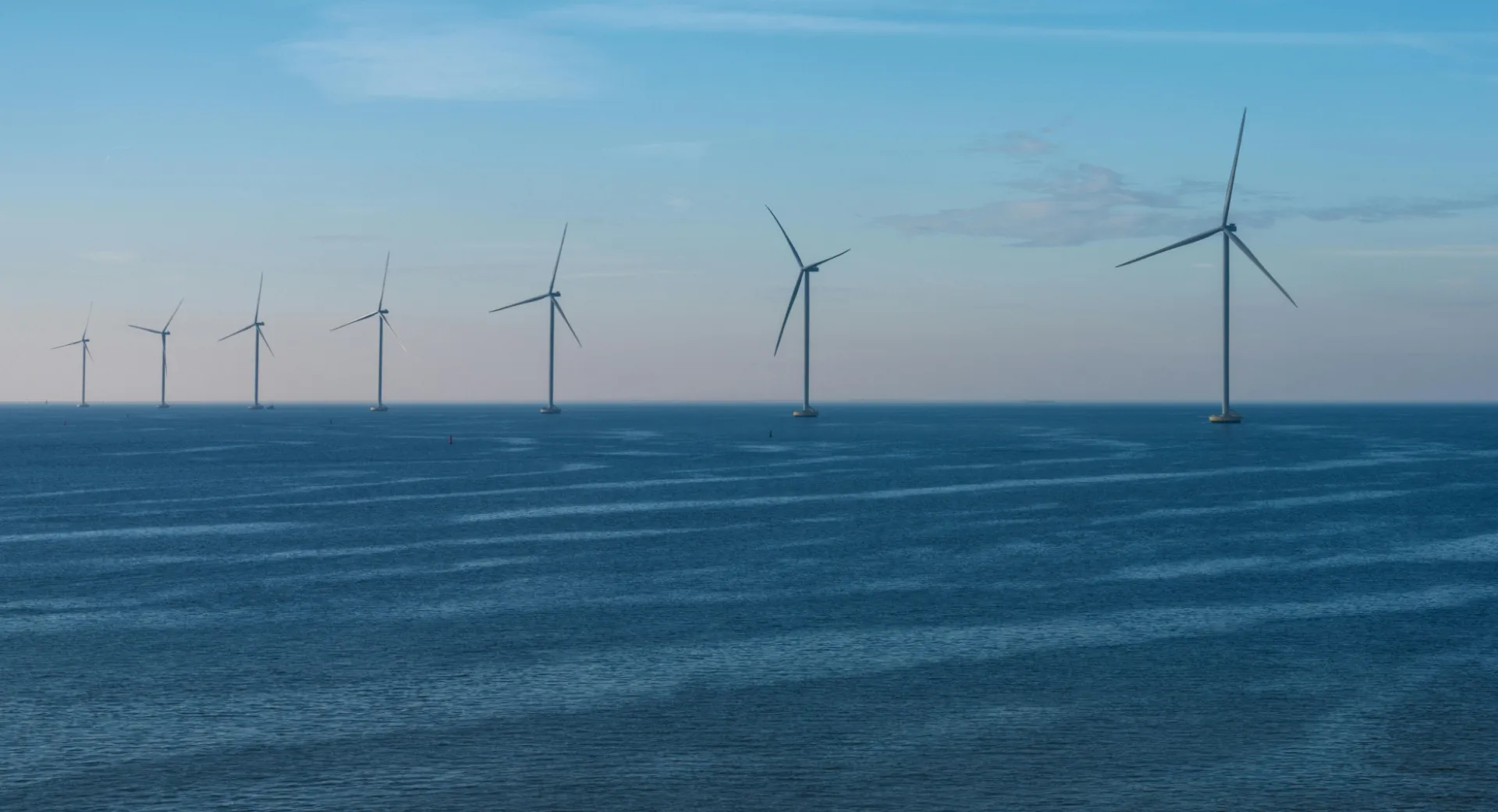
Imagine massive turbines dancing on ocean waves, capturing fierce winds to light up millions of homes. That's no fantasy—it's the Celtic Sea Floating Offshore Wind project, the UK's game-changer for clean energy. Spanning waters between South Wales and Southwest England, this bold initiative slashes reliance on foreign fuel, creates jobs, and fights climate change. Curious how it impacts your wallet, local economies, and the planet? Let's break it down.
What's Buzzing in the Celtic Sea?
The Crown Estate, stewards of the UK's seabed, is powering ahead with floating wind farms in the Celtic Sea. In June 2025, they named the first preferred bidders: energy powerhouse Equinor and Gwynt Glas (a joint venture of EDF Renewables UK and ESB). A third site is set for confirmation by late September 2025.
These projects? Epic scale: Up to 4.5 gigawatts (GW) of green power—enough to energize over 4 million homes. Think powering major cities like Liverpool and Bristol combined. Unlike old-school wind farms fixed to shallow seabeds, these float on anchored platforms, thriving in deeper waters (50-100 meters) where winds howl stronger and steadier.
Why Floating Wind is a UK Power Move
The UK already dominates Europe's offshore wind scene, but most setups hug shallow coasts. The Celtic Sea's depths demand innovation—and floating tech delivers, unlocking vast windy expanses near bustling regions like Wales and Southwest England.
This isn't just eco-talk; it's about owning our energy destiny. The UK has significant dependency on energy imports, particularly natural gas, leaving us vulnerable to global market volatility—as witnessed during the 2022 energy crisis that caused substantial bill increases for households. Celtic Sea wind boosts homegrown renewables, providing greater energy security and reducing exposure to international price fluctuations.
Job Boom: Reviving Wales and the Southwest
This project represents substantial opportunity for coastal towns experiencing industrial decline. Research published by The Crown Estate indicates the first phase could create around 5,300 jobs and deliver a £1.4 billion boost to the UK economy.
Ports across the region are positioning themselves as potential "integration hubs," where turbine components and floating platforms would be assembled before deployment at sea.
Potential integration ports include:
- Pembroke Port (Milford Haven)
- Port of Swansea
- Port Talbot
- Port of Bristol
- Port of Plymouth
- Falmouth Port
The Crown Estate is investing £400 million into ports and supply chains to support offshore wind development, including floating wind in the Celtic Sea.
Tech Breakdown: How These Giants Float and Spin
Floating wind uses the same turbine technology as conventional offshore wind but mounts them on floating platforms instead of fixed foundations. These platforms are moored to the seabed. Several designs are being deployed:
- Semi-submersible platforms: Using ballast tanks for stability
- Spar buoys: Tall cylinders with weighted bottoms for balance
- Tension-leg platforms: Tethered tightly to the seabed
The White Cross project, which secured planning approval in 2025, will deploy up to eight floating turbines 52 km off the North Devon coast. This 100 MW project will power approximately 135,000 homes, providing valuable experience for the larger commercial-scale projects to follow.
Cracking the Grid Puzzle
A significant challenge for offshore wind has been connecting remote power sources to the national grid. The Celtic Sea project features a UK-first: pre-planned grid connections developed in collaboration with the National Energy System Operator (NESO).
Developers now move through the leasing process with clear understanding of how their wind farms will connect to the UK's energy network, significantly reducing potential delays and costs.
Scaling Up: The Celtic Sea's Windy Horizon
While the current Round 5 leasing aims to deliver 4.5 GW of capacity, the ambitions for the Celtic Sea are much larger. The Crown Estate has identified potential for up to 20 GW in the region by 2045.
To contextualize this growth, the UK currently has approximately 14 GW of offshore wind capacity as part of its total wind power generation. Adding 20+ GW from the Celtic Sea would more than double this offshore capacity, making a substantial contribution to the UK's clean energy needs.
Your Bills: Wind-Powered Stability Ahead
In the short term, there won't be immediate effects on energy bills. However, as the technology scales and matures, floating wind costs are projected to decrease significantly in the coming decades.
The most significant benefit will be increased energy security. By generating more power domestically, the UK becomes less vulnerable to international energy market volatility, potentially avoiding price shocks similar to those experienced during the 2022 energy crisis.
Hurdles to Clear
Despite the promising outlook, several challenges remain:
- Supply Chain Development: The UK needs to develop domestic manufacturing capacity for floating platforms and components to maximize economic benefits.
- Environmental Considerations: While offshore wind generally has low environmental impacts, careful assessment and monitoring is needed to protect marine ecosystems, including migration patterns of birds and marine mammals.
- Grid Infrastructure: Significant investment in grid upgrades will be required to handle the new renewable energy capacity.
- Port Facilities: Major investments in port infrastructure will be necessary to support construction and maintenance activities.
The £400 million Crown Estate investment represents an important first step in addressing these challenges.
Wrapping It Up: Winds of Optimism
The Celtic Sea project represents a significant advancement for UK energy—enhancing independence, creating jobs, and supporting climate goals. As development progresses, Wales and Southwest England have the opportunity to establish themselves as centers for renewable energy innovation and production.
Whether your concerns center on climate change, energy security, or economic development, these floating wind projects offer tangible progress. For updates on this evolving sector, The Crown Estate website provides the latest information on project developments and timelines.