Octopus Intelligent Go Changes: 6-Hour Limit Coming January 2026
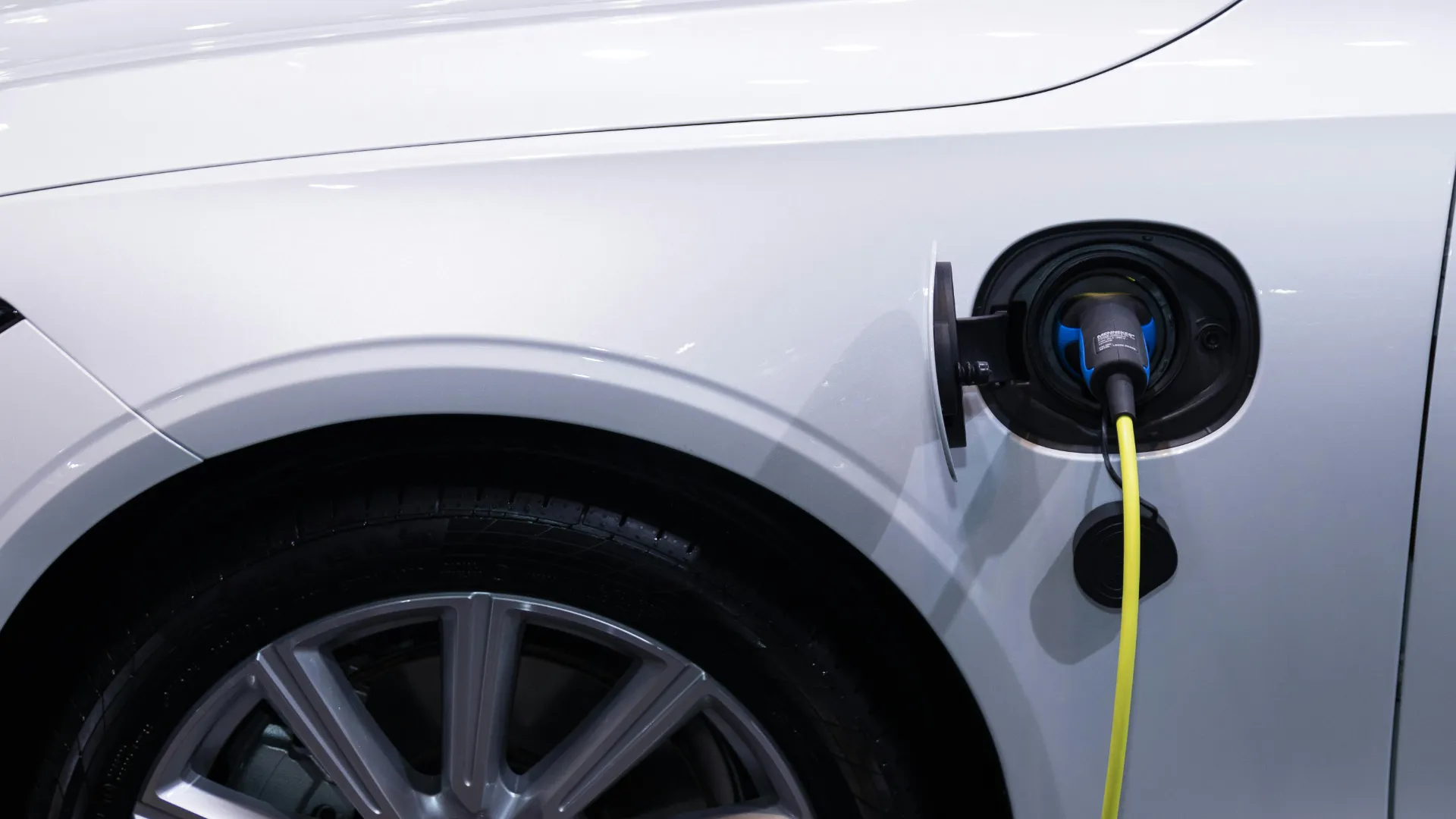
Octopus Energy has announced significant changes to its popular Intelligent Octopus Go tariff, with a 6-hour charging limit being automatically enforced from late January 2026. If you're one of the 150,000 customers on this tariff, here's everything you need to know about what's changing and whether it will affect you.
What's Changing?
From the end of January 2026, Octopus Energy will automatically enforce a 6-hour limit on super-cheap smart charging within any 24-hour period. This affects the Intelligent Octopus Go tariff, which currently offers 7p/kWh charging rates.
Key changes:
- Maximum 6 hours of charging at the discounted 7p/kWh rate per 24-hour period
- Charging beyond 6 hours will be billed at your peak "Bump" rate (typically around 26-29p/kWh)
- This applies even if the extra charging is scheduled during the standard off-peak window
- The limit is based on actual charging time, not just the time your car is plugged in
What's NOT Changing?
The good news is that the core benefits of Intelligent Octopus Go remain intact:
- 6 hours of whole-home off-peak electricity between 11:30pm and 5:30am at 7p/kWh - guaranteed every night
- Smart charging flexibility - Octopus can still schedule your EV charging at the cheapest times
- Outside-window charging - when smart charging is scheduled outside 11:30pm-5:30am, your whole home gets the cheap rate during those times too
- No changes to how you use the tariff - still plug in, set your ready time, and let Octopus handle the rest
Why Is This Happening?
According to Octopus Energy, this change is necessary to keep off-peak rates as low as possible. The 6-hour limit has actually always existed in the tariff's terms and conditions - it just wasn't automatically enforced until now.
The company states that around 80% of Intelligent Octopus Go charging sessions already use less than 6 hours, meaning most customers won't be affected. The issue arose because some users were "gaming" the system:
- Setting chargers to charge at very low rates (like 6A instead of 32A) to extend charging time
- Requesting more charge than their vehicle could actually accept
- Using the tariff primarily to get cheap electricity for home batteries rather than EV charging
- Getting 8, 10, or even 20+ hours of cheap-rate electricity per day
Scheduling charging when wholesale costs and grid stress are higher inevitably drives up costs for everyone, making the tariff unsustainable at current rates.
How It Works in Practice
Here's a practical example of how the new system will operate. Remember: the 6-hour limit applies to your EV charging specifically, not to your whole-home electricity use during the standard 11:30pm-5:30am window.
Important: You can't "stack" 6 hours of smart EV charging on top of the 6-hour whole-home window to get 12 hours total of cheap EV charging. The smart charging and whole-home windows can overlap, but you're still limited to 6 hours of discounted EV charging within any 24-hour period.
Scenario 1: You need a 5-hour charge scheduled outside the standard window
Octopus schedules all 5 hours between 8pm-11pm and 2am-4am (outside the standard 11:30pm-5:30am window).
- ✅ You get 7p/kWh for your whole home and car during those 5 hours
- ✅ You still get 7p/kWh for your whole home between 11:30pm-5:30am
- ✅ Your 5 hours of EV charging happened outside the overnight window, so you've used 5 of your 6-hour smart charging allowance
Scenario 2: You need a 7-hour charge
Octopus schedules 7 hours to reach your target charge.
- ✅ First 6 hours charged at 7p/kWh
- ❌ 7th hour charged at peak rate (26-29p/kWh)
- This applies even if that 7th hour falls within the 11:30pm-5:30am window
Scenario 3: You need a 4-hour charge during the standard window
All 4 hours fall within 11:30pm-5:30am.
- ✅ All 4 hours at 7p/kWh
- ✅ You still have 2 hours of your 6-hour smart charging allowance left for the next 24-hour period
Who Will Be Affected?
You're likely fine if you:
- Drive an average amount (under 120 miles per day)
- Have a standard 7kW home charger
- Plug in daily or most days
- Charge overnight and wake up with a full battery
- Currently see charging sessions completing in 5-6 hours or less
You might be affected if you:
- Regularly drive 150+ miles per day
- Have a large battery (90kWh+) and frequently deplete it significantly
- Only charge 2-3 times per week instead of daily
- Have been deliberately setting low charging rates to extend cheap periods
- Use a 3-pin "granny charger" (limited to ~2.3kW)
- Have two EVs on the same tariff
Real-World Impact: The Numbers
To put this in perspective:
- 6 hours at 7kW = 42kWh of charging
- 42kWh = approximately 120-140 miles of range for most EVs
- Average daily driving in the UK = 20 miles (NimbleFins data)
For the average driver, 6 hours is more than sufficient. Even someone with a 100-mile daily commute should be fine with a 7kW charger, assuming they plug in regularly.
However, if you return from a 300-mile road trip with a nearly empty 75kWh battery, you might need 10+ hours to fully recharge. Under the new rules, hours 7+ would be charged at peak rates.
What About Multiple EVs?
The 6-hour limit applies per household, not per vehicle. If you have two EVs:
- You still get only 6 hours total of cheap smart charging per 24-hour period
- You'll need to be strategic about when you charge each vehicle
- Consider charging one EV during the guaranteed 11:30pm-5:30am window using a standard timer
- Use smart charging for the other vehicle
Solar Panel and Home Battery Owners
This change has raised concerns among households with solar panels and home batteries. Here's what we understand:
- Self-consumed solar charging: If you charge your EV directly from your own solar generation with smart charging turned off (i.e., not scheduled by Octopus), this shouldn't count toward your 6-hour allowance
- Smart-scheduled charging: If Octopus schedules EV charging during times when your battery or solar is also active, and that charging is billed at the discounted rate, it likely counts toward the 6-hour limit
- Home battery charging: The interaction between smart charging schedules and home battery behavior is complex and may vary depending on your specific setup
- Practical solution: Turn off smart charging during sunny days when you want to charge exclusively from solar
- Alternative tariff: Consider Intelligent Octopus Flux if you have a large solar system (5.2kWp+) - it's designed for solar + battery + EV households
The key principle: only smart-scheduled charging that's billed at the 7p/kWh Intelligent rate counts toward your 6-hour limit. But the exact interaction with solar and batteries depends on your specific configuration and how Octopus schedules your charging.
What Charger Manufacturers Are Doing
Smart charger manufacturers are aware of the upcoming changes. Ohme, one of the most popular brands compatible with Intelligent Octopus Go, has publicly stated they're working with Octopus Energy on the planned changes, though specific implementation details haven't been announced yet.
The challenge some chargers face is that they sometimes reduce charging speed at Octopus's request to help balance the grid. This can turn what should be a 6-hour charge into an 8-9 hour charge - which would then trigger peak rate charging under the new rules. How manufacturers will handle this remains to be seen, but they're clearly engaged with finding solutions.
Should You Stay on Intelligent Octopus Go?
For most users, yes - Intelligent Octopus Go remains the UK's best EV tariff even with the 6-hour limit.
The tariff is still excellent if:
- You're within the 6-hour charging need on most days
- You drive average or below-average daily distances
- You can plug in daily rather than waiting until nearly empty
- You value the predictable 11:30pm-5:30am whole-home cheap rate
Consider alternatives if:
- You consistently need 8+ hours of charging per session
- You have two EVs with high daily usage
- You only have a 3-pin granny charger and can't upgrade
- You have a large solar system and would benefit from higher export rates
Alternative Tariffs to Consider
If the 6-hour limit doesn't work for your situation, Octopus Energy offers several alternatives:
Octopus Go (Standard)
- 4 hours of cheap electricity (12:30am-4:30am) every night
- No smart charging integration needed
- No hourly limit - charge as much as you can fit in the 4-hour window
- Good for: Simple charging needs, non-compatible chargers
Intelligent Octopus Flux
- Three cheap periods per day
- Higher export rates for solar generation
- Better for larger solar systems (5.2kWp+)
- Good for: Solar + EV households
Cosy Octopus
- Three cheap periods per day: 4am-7am, 1pm-4pm, 10pm-12am
- Designed for heat pump users but works for EVs too
- Off-peak rate around 50% cheaper than standard rates
- Good for: Heat pump + EV households
Tips to Maximize Your Cheap Charging
1. Plug in daily
Don't wait until your battery is nearly empty. Plugging in after each journey means you need fewer hours to top up, keeping you well within the 6-hour limit.
2. Adjust your charge target
If you're approaching 6 hours, reduce your target charge percentage. Do you really need 100%, or would 80% get you through your daily driving?
3. Use public charging strategically
For longer journeys, use rapid public chargers to get most of the charge during your trip, then just top up at home. Modern rapid chargers can add 100+ miles in 20-30 minutes.
4. Monitor your charging sessions
Check your Octopus app after each charge to see how many hours were used. This helps you understand your patterns and plan accordingly.
5. Time your longer charges
If you know you'll need a longer charge (after a long trip), try to schedule it for a time when:
- You can use some of the standard 11:30pm-5:30am window
- Octopus is likely to schedule outside-window charging (when the grid has surplus renewable energy)
Public Charging Still Matters
While home charging remains the cheapest option for daily use, public charging has become more important for EV drivers. Having access to reliable public charging networks means you're not solely dependent on home charging for every top-up.
Networks like Electroverse provide access to thousands of chargers across the UK and Europe, with transparent pricing and a single app for payment. For longer journeys or times when you've exceeded your home charging allowance, public rapid charging becomes a practical complement to home charging rather than just an emergency option.
When Do the Changes Start?
Octopus Energy has confirmed the changes will be effective by the end of January 2026. They'll email customers closer to the date with specific timing and any additional details about how to manage the new limits through the app.
Octopus has also indicated they'll introduce app features to help customers either:
- Automatically limit charging sessions to 6 hours, or
- Prioritize reaching your target charge (and accept peak-rate charges for hours 7+)
The Bottom Line
The 6-hour limit on Intelligent Octopus Go isn't entirely bad news - for 80% of users, nothing changes. The tariff remains one of the UK's best deals for EV owners, offering 7p/kWh charging plus whole-home cheap electricity every night.
The change primarily affects those who were knowingly or unknowingly using the tariff beyond its intended design. If you have high charging needs or multiple EVs, you'll need to be more strategic about when and how you charge.
For the average EV driver who plugs in regularly and drives typical daily distances, Intelligent Octopus Go continues to offer excellent value. The combination of smart charging, guaranteed overnight cheap rates, and whole-home savings makes it difficult to beat - even with the new 6-hour enforcement.
Final recommendations:
- Review your recent charging sessions to see if you're typically within 6 hours
- Consider plugging in more frequently if you currently wait until nearly empty
- Think about upgrading to a 7kW charger if you're still using a 3-pin granny charger
- Keep an eye out for the promised app features to help manage the new limits
- Don't panic - for most users, this won't significantly impact daily charging costs
If you're not yet on Intelligent Octopus Go but have an EV, the tariff remains worth considering despite these changes. The 7p/kWh rate is still dramatically cheaper than standard electricity prices, and the 6-hour limit is generous for typical usage patterns.
Ready to switch to Octopus Energy? Get started with Intelligent Octopus Go and start saving on your EV charging costs.